Getting Started
Getting started with electronics is simple through our structured learning approach. Students begin by learning the basics of electronic components such as resistors, capacitors, diodes, transistors, and sensors. Through guided practical sessions, they gain confidence in circuit assembly and testing.
Our Electronics & Circuit Design program helps students understand the fundamentals of electronic systems through practical experiments, circuit building, and real-world projects. From basic components to advanced embedded systems, learners gain the skills needed to design, analyze, and troubleshoot electronic circuits.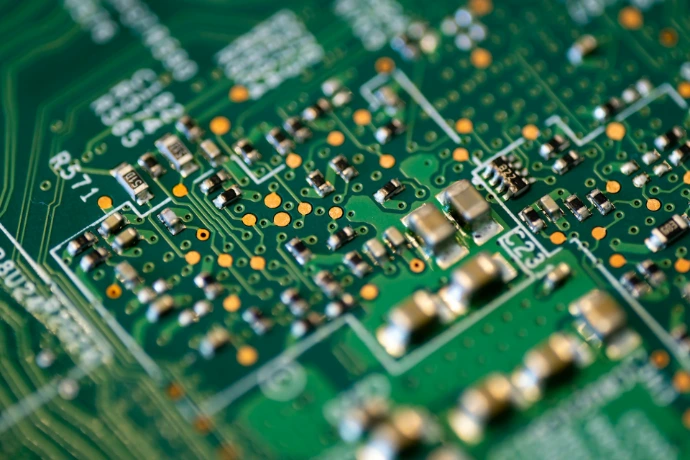
The next step introduces circuit design concepts, including breadboard prototyping, circuit analysis, PCB basics, and microcontroller programming. Students work on hands-on projects using Arduino and embedded systems to understand how electronic devices operate in real-world applications.
Each project is designed to provide real-world engineering experience, helping students build technical confidence and prepare for future careers in electronics, robotics, and technology.
